If your air conditioner seems to run all day but your Dunnville home still feels sticky and uncomfortable, you are not imagining it. Summers in Ontario are not just hot, they are humid, and moisture plays a major role in how comfortable a house feels even when the temperature looks fine on the thermostat.
Long Cycles Are Normal; Nonstop Running Is Not
Ontario summers are humid, and humidity changes what your air conditioner has to do. Along with cooling, the system wrings moisture out of the air, and damp air takes much longer to treat than dry air. During a muggy July stretch, even a healthy system runs longer cycles than usual.
The line to watch is whether the system ever shuts off. A properly working unit labours through the afternoon and recovers in the evening. One that runs around the clock is telling you it cannot handle the load, and every cause behind that has a name.
The Equipment Limits: Age and Size
An aging unit. Efficiency slides as compressors and coils wear, so the same comfort quietly costs more every summer. An undersized unit. A system too small for the load runs at full draw for most of the day, which is the most expensive way to buy cooling. If your summer bills have climbed for a few seasons in a row in Dunnville, this pair belongs near the top of the suspect list, and neither problem is one a filter change can fix.
Refrigerant, the Envelope, and the Numbers
Low refrigerant. Removes the working fluid that carries heat outside, so every cycle delivers less cooling. Poor insulation and air leaks. Add cooling load the equipment was never meant to carry, often making a healthy unit behave like a failing one.
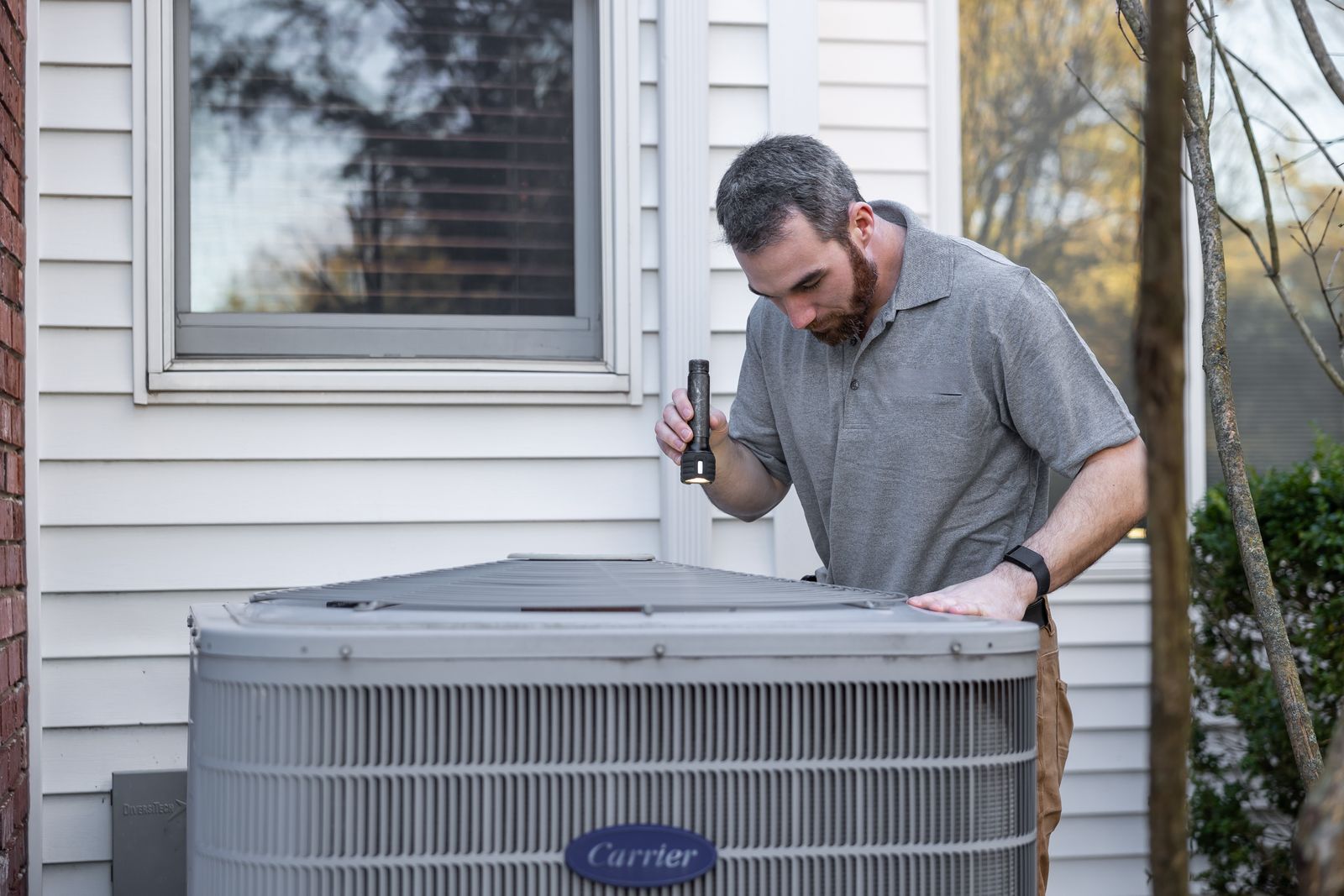
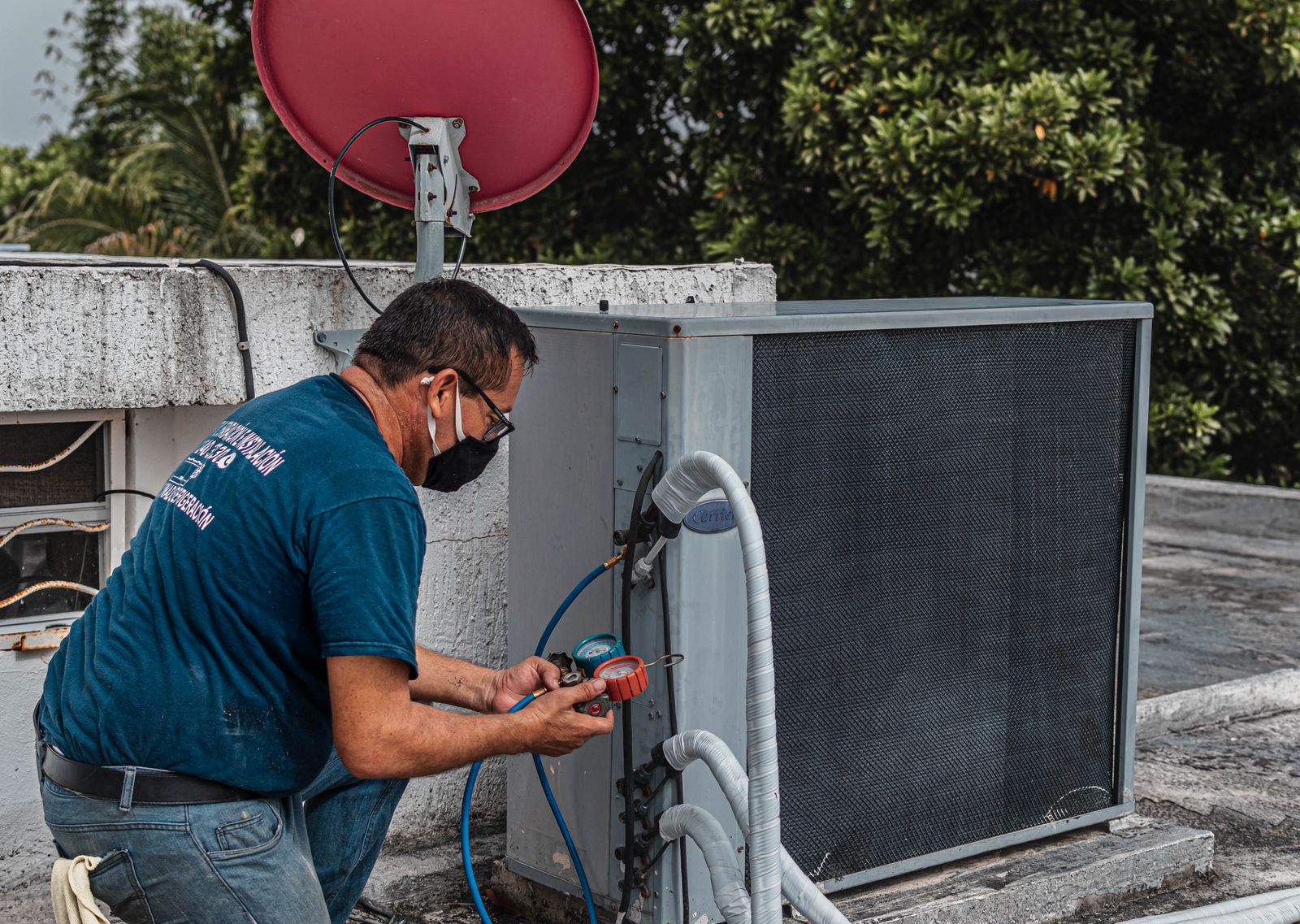
A Dunnville Heating & Cooling service visit tests the system under real conditions: measuring airflow, verifying the charge, and comparing the unit's capacity against the home's actual cooling load. That last step settles questions with numbers instead of opinion, and it often costs less than a single premature repair.
The Dirt Problems: Filter, Coils, and Condenser
A clogged filter. Restricted airflow forces longer run times to reach the same thermostat setting. Dirty coils. Dust on the indoor and outdoor coils slows heat exchange, so the system moves less heat per cycle and compensates with extra runtime.
A blocked condenser. Debris crowded around the outdoor unit traps the very heat it is trying to dump, and the whole system slows to a crawl on the hottest days of the year.