Most homeowners call about their furnace at one of two moments: when something seems off, or when the house has already gone cold. The first moment is always cheaper. This guide walks through the five warning signs worth acting on, what each one tends to mean, and how quickly each deserves a professional opinion rather than a wait-and-see approach.
Inside a Professional Diagnosis
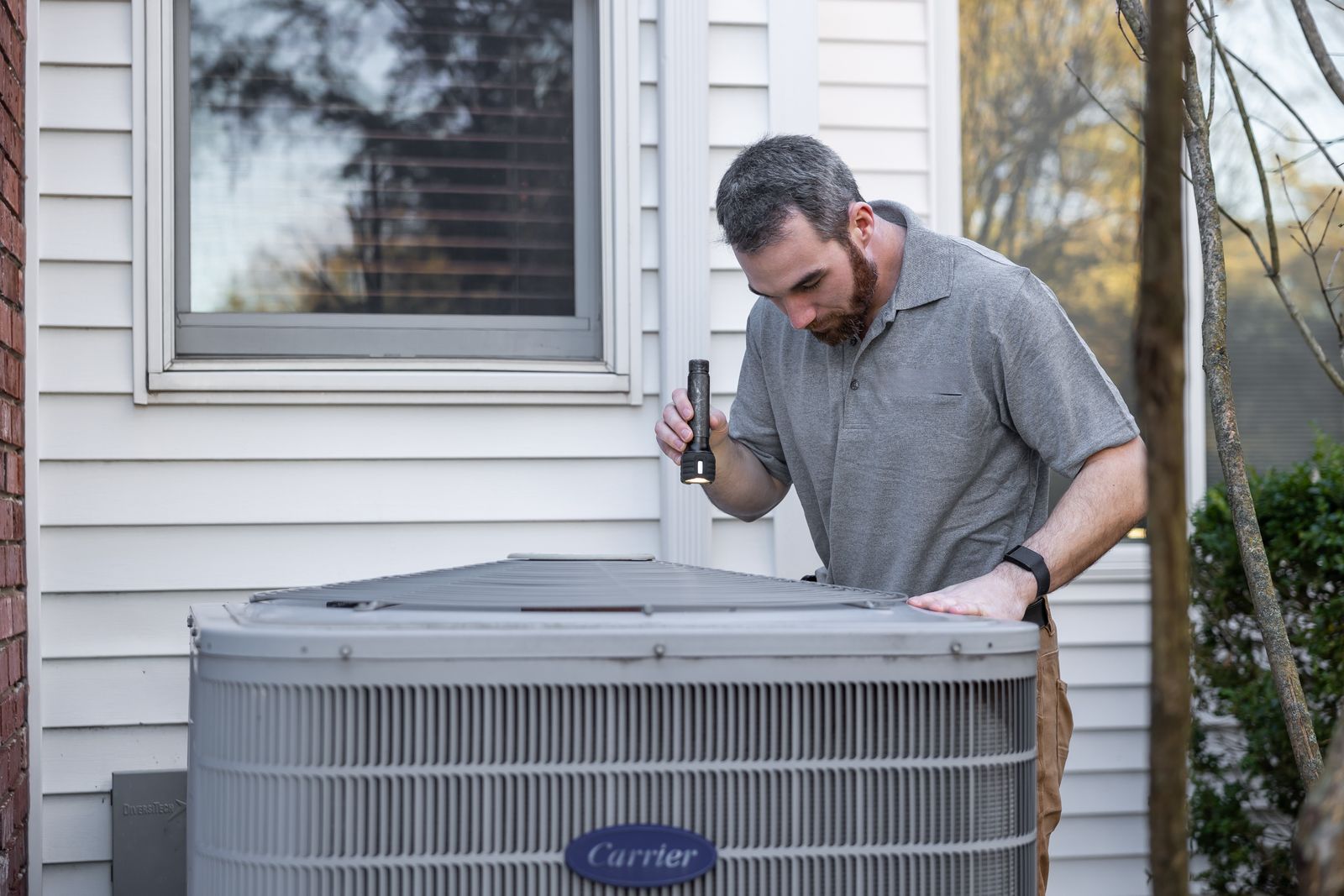
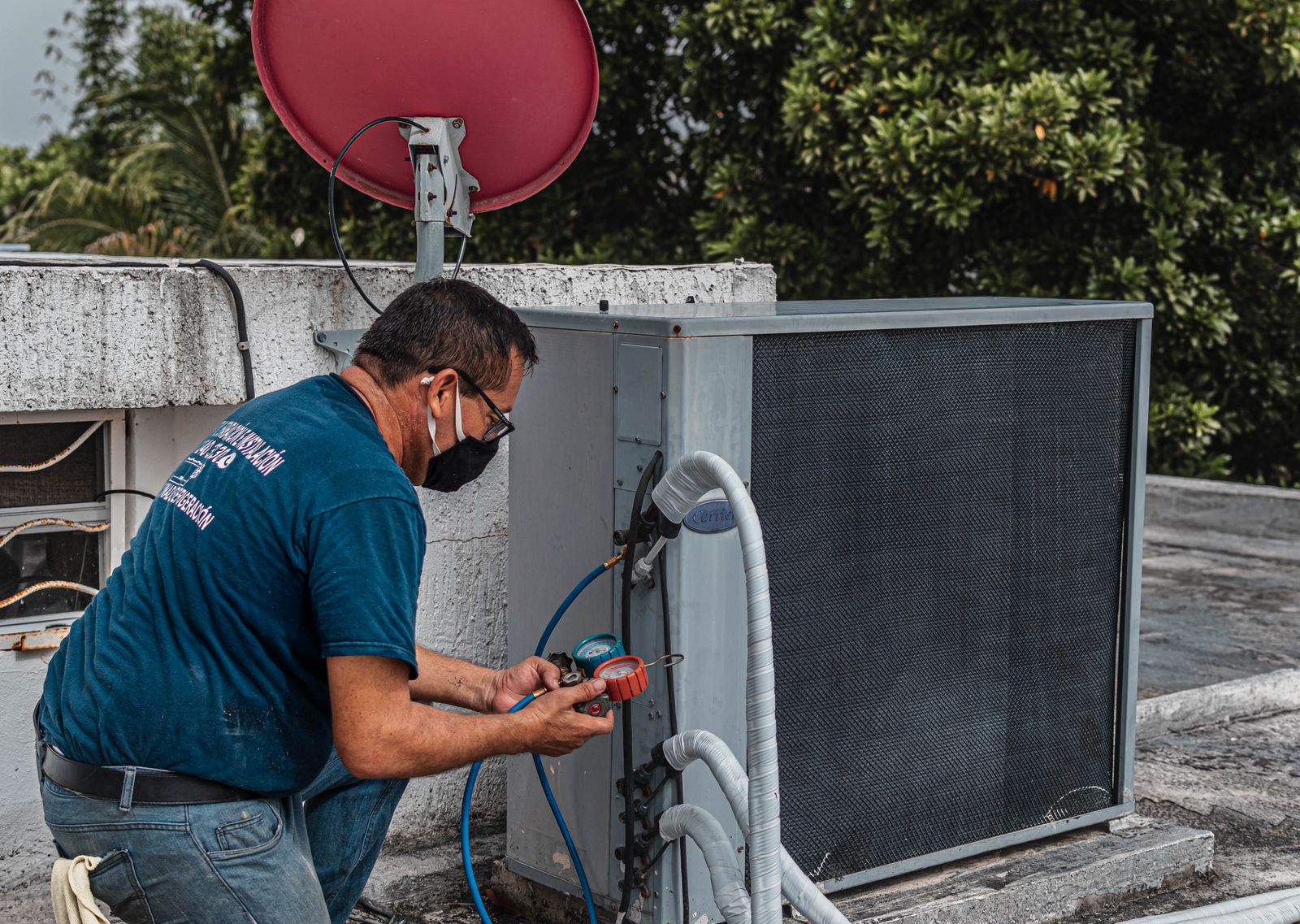
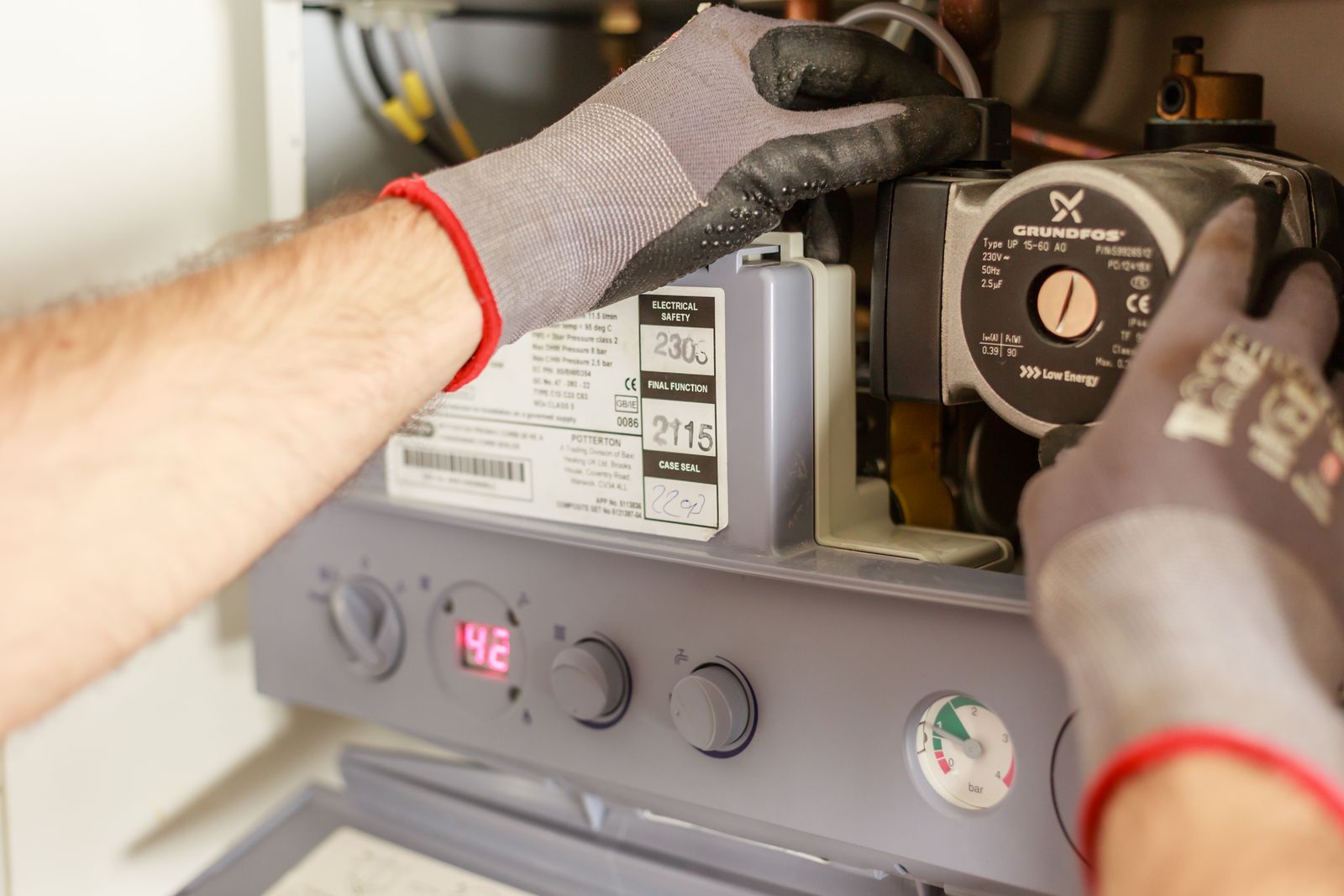
A thorough visit starts with your complaint, then works outward: burners and flame colour, igniter and flame sensor operation, the heat exchanger inspected for cracks, blower and belt condition, airflow measured against a fresh filter, thermostat calibration and a carbon monoxide check around the unit. The result is a short list of findings, options ranked by urgency, and pricing that holds still after you approve it.
The Bill Notices Before You Do
Your gas bill is an efficiency report. Matched against the same month last year, a usage jump with no weather change means the furnace is working harder for the same warmth, and the usual causes are a clogged filter, dirty burners, leaky ducts or aging parts. Cycling habits confirm it. A furnace in good shape runs steady, measured cycles. One that starts and stops every few minutes is short cycling, often from restricted airflow or a thermostat fault, and every extra start burns fuel while wearing the ignition system. For homeowners in Dunnville, the bill and the behaviour almost always tell the same story.
Airflow Problems Wear a Disguise
It rarely announces itself as an airflow problem. Homeowners describe cold rooms, warm upper floors, or a furnace that runs forever, and the cause is often the same thing: air that cannot get from the furnace to the rooms. Leaky or blocked ducts, a clogged filter and a blower motor past its prime all cut the stream at the registers. Walk the house on a cold evening and feel each vent. Weak flow in the coldest rooms is the clue that ties the symptom to the fix, and it points straight at the ductwork or the blower.
Every week a warning sign goes unanswered, the likely repair gets bigger. Bearings screech, then the motor fails. Filters clog, then the limit switch trips. The cheapest version of any furnace problem is the early one, and the early one is only available for a limited time.
Sounds That Mean a Part Is Failing
Noise is the furnace reporting on its own parts. A screech or grind means friction: blower bearings or a belt nearing failure, and the motor behind them is what pays for the delay. Rattling means looseness, most often a panel, fastener or duct fitting vibrating in the airstream. Rapid clicking at ignition means the burner is struggling to light, a pattern that points to the igniter or flame sensor. A loud bang when the burner finally catches deserves urgent attention, since that can indicate delayed ignition.
Combustion Signs Come First
Start every furnace check with the flame. A gas furnace should show a steady blue pilot or burner flame. Yellow, orange or flickering means the burn is incomplete, and that puts it in the carbon monoxide category of problems rather than the comfort category. Soot around the burner, or a stale exhaust smell indoors, belongs in the same bucket. The act-early advice writes itself: shut the furnace down and have a licensed technician test combustion and venting before it runs again. Working CO alarms outside sleeping areas are the backup plan every Ontario home should already have in place.