Does the problem affect all rooms or zones, and what changes in airflow or cooling have you noticed?
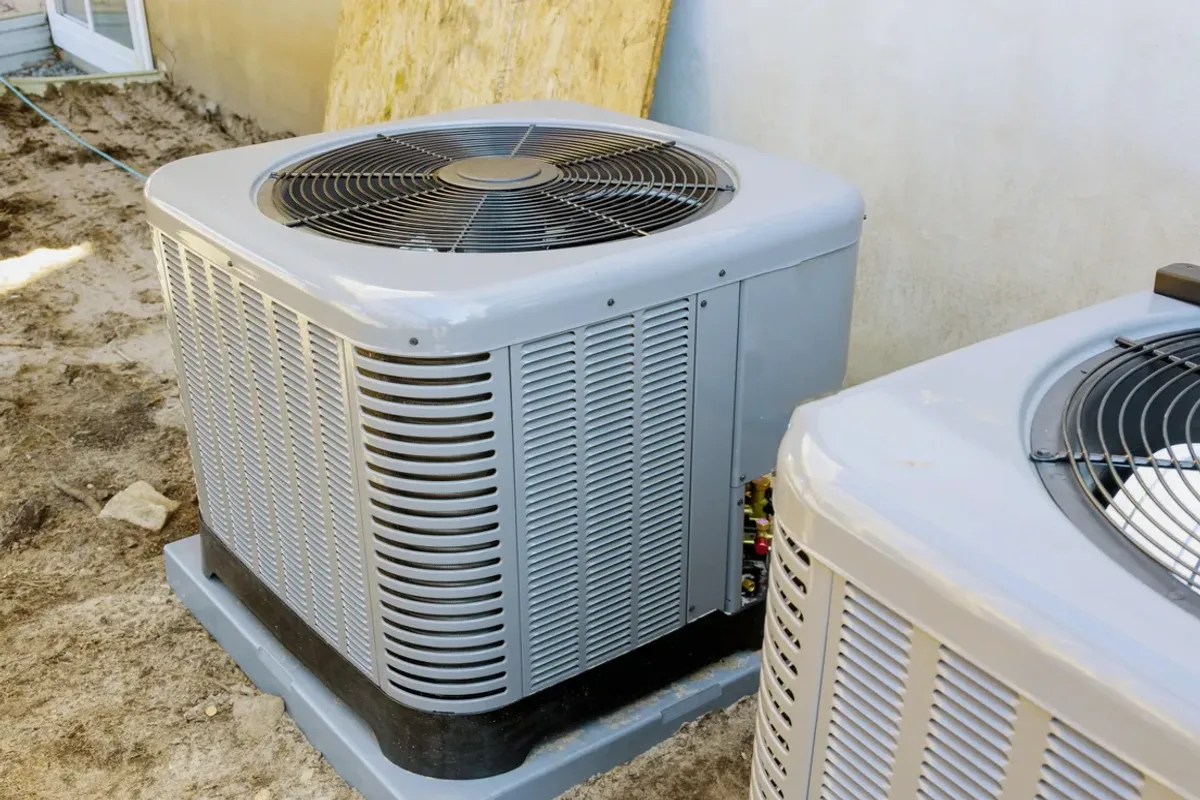
An air conditioner that will not start, blows warm air, has weak airflow, or develops unusual noise needs diagnosis suited to its equipment. Central air, ductless mini-splits, and heat pumps in cooling mode have different layouts and controls. Electrical component faults, refrigerant or coil concerns, and restrictions in airflow or ductwork call for different investigations. Inspection readings and service history help establish whether the problem is a repairable component fault, an airflow issue, or a system condition that warrants replacement consideration.
Assessment considers the equipment type, reported symptoms, airflow, electrical readings, and coil condition. If refrigerant performance is in question, a qualified service professional must investigate the system rather than simply add refrigerant. For central air, duct restrictions may contribute to weak airflow; for a ductless unit, indoor and outdoor components and zone operation shape the diagnosis.
Central air, ductless mini-splits, and heat pumps in cooling mode.
Electrical components, refrigerant concerns, coils, and airflow diagnosis.
Duct restrictions, static-pressure findings, and refrigerant-related replacement considerations.
Assessment and Scope
Questions for the Proposed Work
01
Distinguish electrical faults from cooling-system problems
A unit that will not start may involve a capacitor, contactor, relay, or another electrical fault, while warm air can have other causes. The appropriate measurements and inspection findings help determine which component or system needs attention. Internal electrical work belongs to a qualified service professional. Identifying the actual fault matters because a symptom such as a stopped fan does not by itself establish whether the issue is electrical or elsewhere.
02
Check airflow in the equipment and the ducts
Weak airflow can result from a restriction at a filter or grille, an indoor coil condition, or ductwork that limits air movement. For central air, static-pressure readings and inspection of accessible ducts can help distinguish a duct problem from an equipment fault. A ductless system has no central duct network, so diagnosis instead considers its indoor unit and airflow path. Findings guide whether repair scope includes the equipment, airflow components, or ductwork.
03
Consider refrigerant condition before replacement
Refrigerant concerns require system diagnosis and leak investigation where indicated; topping up without understanding a loss does not establish the cause. The refrigerant type and parts condition may also affect repair options, particularly on older equipment using refrigerants subject to phase-out. Replacement is not automatic: compare the confirmed repair scope and equipment condition with the work involved in installing a compatible replacement system.
Compare the next step
Explain how the cooling system was left and whether the property experienced outages or water damage. Ask for a condition assessment before a full seasonal run if abnormalities are present. Request instructions for keeping drainage, filters, and outdoor access suitable during future idle periods.
Do not open electrical panels or handle refrigerant. If ice, water near electrical equipment, or abnormal operation is present, stop using the affected system and request an assessment.