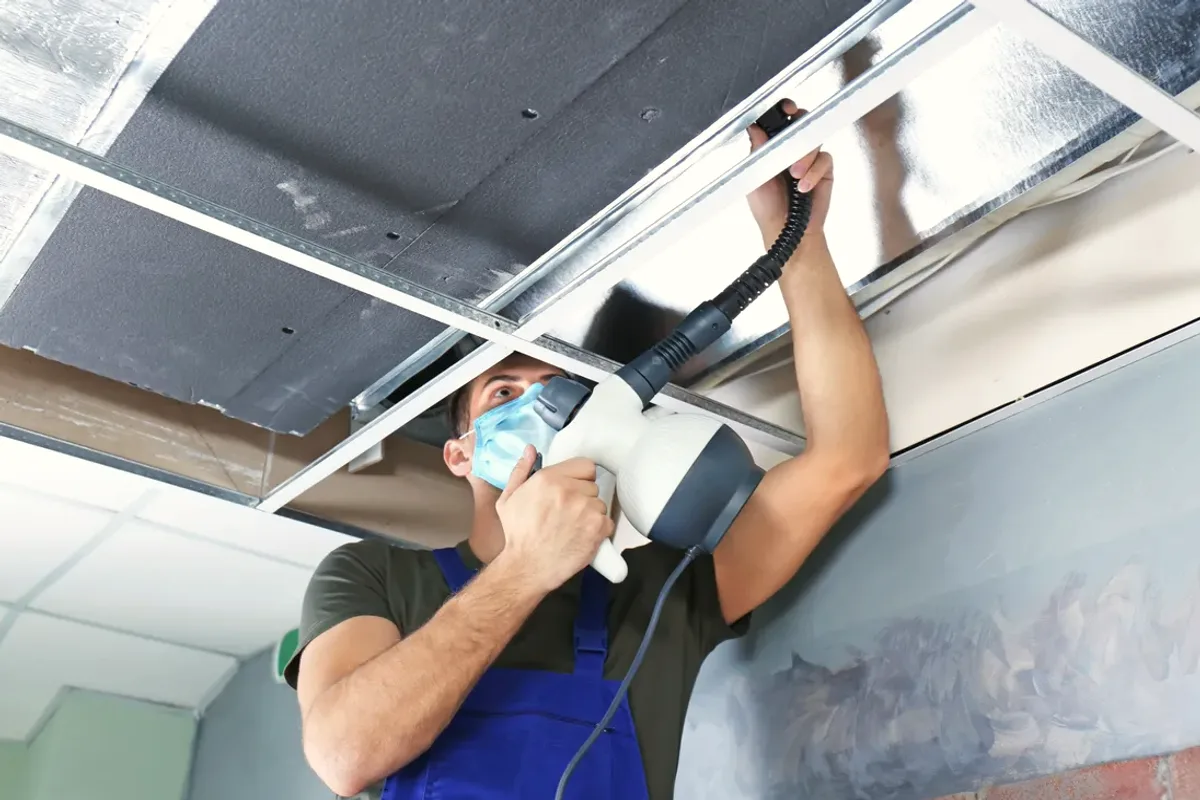
Request duct cleaning for a property in Dunnville. Include the equipment, the problem or planned work, and your location so the request can be reviewed.
What have you observed at the vents, and has an inspection identified debris or damage inside the ductwork?
Duct cleaning is a targeted service for ductwork where inspection indicates accumulated debris that warrants removal. Dust at a vent, a musty smell, or weak airflow does not alone establish that the ducts need cleaning; the cause may be at a grille, filter, duct section, or HVAC component. Inspection findings help define which supply or return areas are involved. If duct damage is observed, assessing repair or replacement is separate from cleaning and depends on the affected section.
Assessment considers visible debris, the affected supply or return sections, airflow symptoms, and any signs of duct damage. An inspection camera may help establish whether buildup is present and where it is located. Weak airflow can have causes outside the ductwork, so cleaning should not be assumed to resolve it. Findings determine whether targeted cleaning, duct repair, or further HVAC diagnosis is appropriate.
Inspection and targeted cleaning of supply and return ducts.
Visible debris, camera findings, and airflow symptoms.
Separate evaluation of damaged duct sections and non-routine chemical treatment.
Assessment and Scope
Questions for the Proposed Work
01
Confirm debris and identify the affected duct sections
Inspection should establish whether debris is present inside the ductwork and whether it is concentrated in particular supply or return sections. Dust near a register does not necessarily indicate buildup throughout the system. Where accessible, an inspection camera can help document the location and extent of visible material. This evidence matters because it defines whether cleaning is warranted and keeps the scope focused on affected duct areas.
02
Separate duct restrictions from equipment airflow faults
Weak airflow may be caused by a blocked register, filter condition, duct restriction, or an HVAC component, so it should not automatically be attributed to dirty ducts. Comparing the reported rooms and airflow with inspection findings helps distinguish those possibilities. If ductwork is clear, further equipment diagnosis may be appropriate instead of cleaning. Cleaning should be based on findings rather than a recurring calendar interval.
03
Assess damaged sections as a separate repair
Cleaning removes accumulated material; it does not correct a disconnected, crushed, or otherwise damaged duct section. If inspection identifies damage, the affected area and its connection to the wider duct system determine whether repair or replacement is needed. Keeping that work distinct prevents cleaning from being treated as a fix for leakage or physical damage. Any chemical treatment should not be routine and requires a specific reason and appropriate product instructions.
Compare the next step
Separate stale-room odour from evidence of contamination inside the air system. Ask for an inspection of any documented pest or water-entry concern and an explanation of the source. A cleaning scope should identify affected materials and components, with moisture correction or material replacement addressed when needed.
Routine cleaning is not automatically necessary and does not guarantee health or energy benefits. Resolve moisture sources and assess damaged materials rather than treating cleaning as the only remedy.