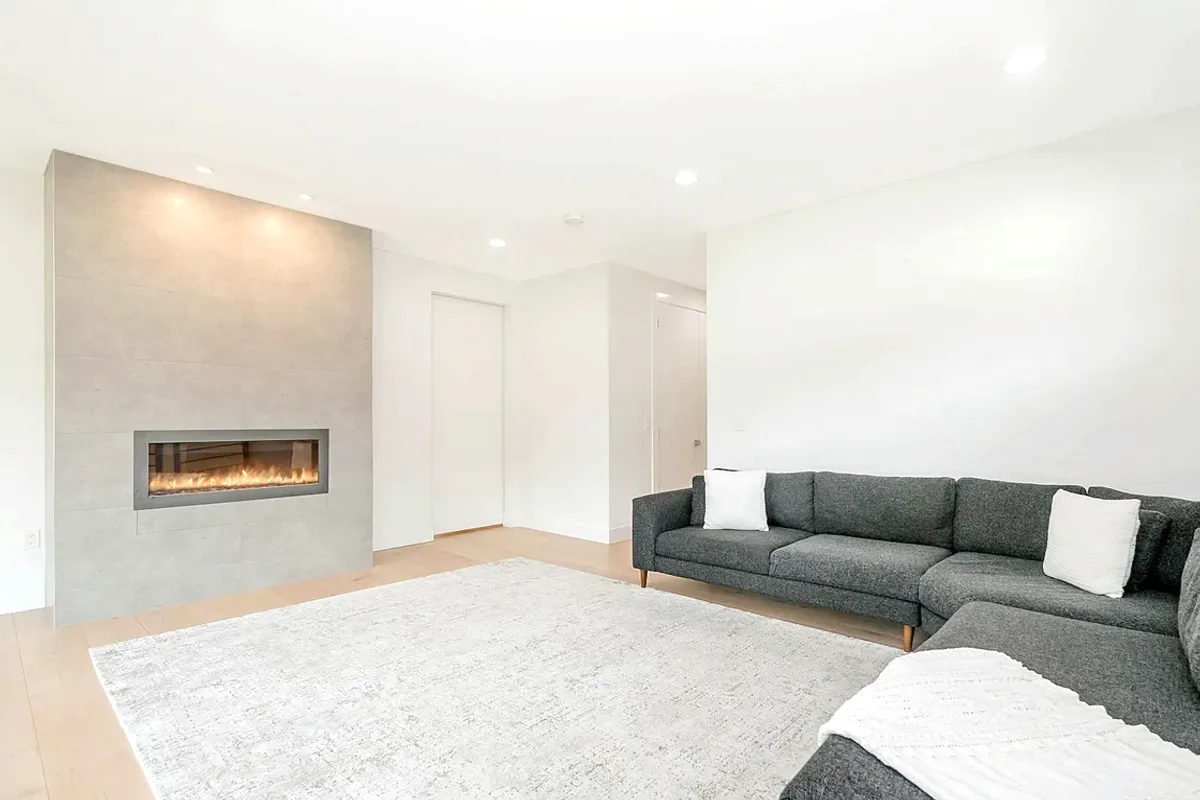
Request fireplace installation for a property in Dunnville. Include the equipment, the problem or planned work, and your location so the request can be reviewed.
Which fireplace type is being considered, and is an existing opening, chimney, or vent intended for reuse?
Fireplace installation begins by identifying the appliance type and checking whether the proposed location can accommodate its clearances, connections, and applicable venting. Electric models may not require venting when the specific appliance is designed for that arrangement; gas and wood-burning models have different fuel and venting requirements. Existing openings, chimneys, or vents need assessment before reuse. For a replacement project, the old appliance’s condition and the proposed model’s requirements help define whether related changes are needed.
Assessment considers the selected appliance, location, clearances, fuel or electrical connection, and the model’s venting requirements. A direct-vent gas unit and a wood-burning fireplace do not use the same venting approach. Where an existing chimney, opening, or vent is present, its condition and suitability must be checked rather than assumed. The findings determine the installation scope and any required changes to the site.
Gas, electric, and wood-burning fireplace appliance requirements.
Clearances, connections, chimney or vent assessment, and existing openings.
Replacement planning and condition of the appliance, firebox, or vent.
Assessment and Scope
Questions for the Proposed Work
01
Match the appliance type to its installation requirements
Electric, gas, and wood-burning fireplaces have different connection and venting needs. An electric model may be suitable for a location without a vent only if its design and installation instructions allow it. Gas models require the specified fuel connection and vent arrangement, while wood-burning appliances rely on an appropriate chimney or vent system. Confirming the exact model matters because a general description of a fireplace does not establish its installation requirements.
02
Assess the opening and vent route before installation
A proposed location needs to be checked for clearances, support, finish details, and routes for required connections. If an existing opening or chimney is being reused, inspection should establish whether it suits the selected appliance and is in serviceable condition. For gas equipment, the specified venting arrangement matters; for wood-burning equipment, the chimney or vent must suit that appliance. These findings can change installation scope.
03
Consider condition when replacing an existing fireplace
If an existing fireplace is being replaced, its appliance, firebox, and vent condition can affect whether a new unit can use the existing location. Damage or an unsuitable vent may require more than a simple appliance swap. For an existing gas unit with operating problems, a separate diagnosis can clarify whether repair is practical or replacement is being considered. The selected model’s instructions and site findings guide the work.
Compare the next step
Identify whether the existing fireplace was shut down according to its manual and what conditions changed while the property was empty. Ask which inspection or service is appropriate before use. If replacement is proposed, compare its full venting and enclosure requirements with the existing installation.
Use a qualified contractor for the chosen appliance and any fuel, venting, or electrical work. Do not alter the appliance or defeat its controls. Confirm its manufacturer operating requirements before relying on it for whole-home or outage heating.