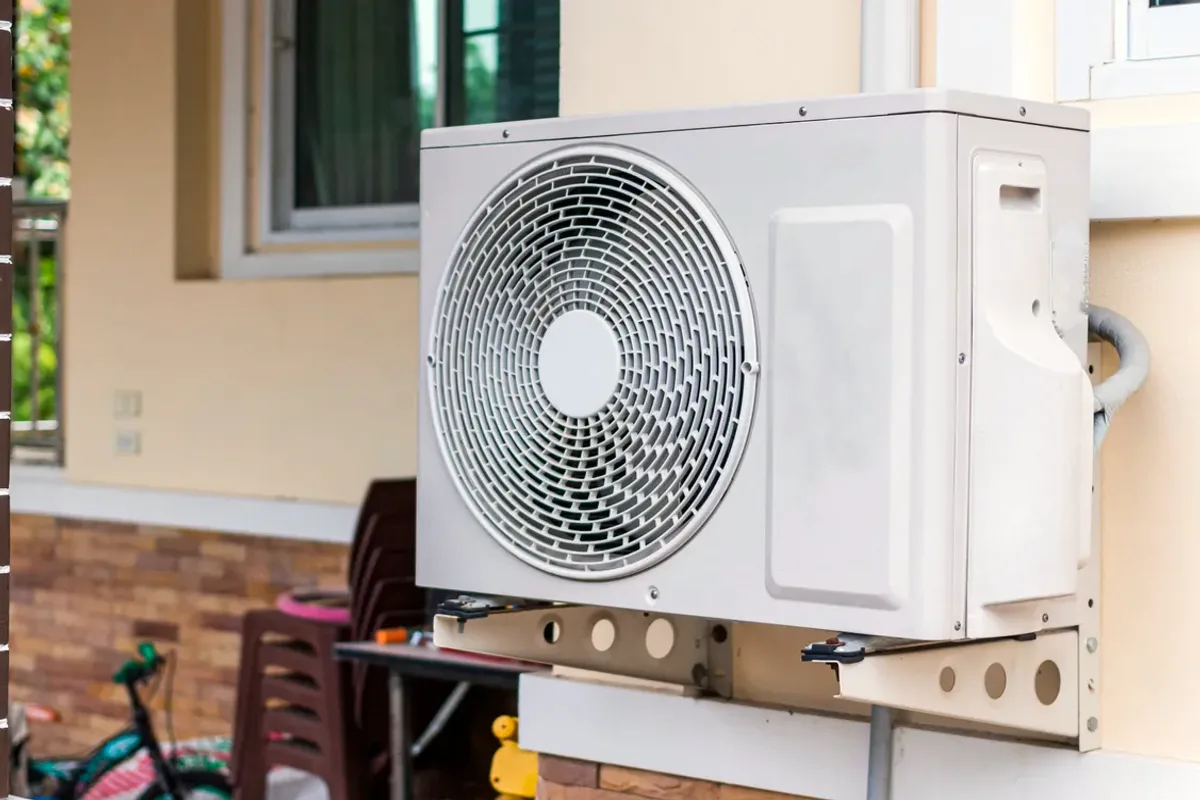
Request heat pump repair & installation for a property in Dunnville. Include the equipment, the problem or planned work, and your location so the request can be reviewed.
Does the problem occur during heating, cooling, or both, and has the unit’s icing or runtime changed?
A heat pump that struggles to heat or cool, runs for long periods, ices unexpectedly, or makes unusual noise needs diagnosis based on its operating mode and system design. Refrigerant, airflow, and control faults can produce overlapping symptoms but require different investigations. For installation, equipment selection depends on the property’s heat requirements, distribution system, and the conditions the proposed unit is designed to serve. Repair and replacement are distinct options, guided by inspection findings, equipment condition, and the work each would require.
Assessment records the operating mode, symptoms, airflow, controls, and relevant equipment condition. Icing or long runtimes do not identify a cause by themselves; refrigerant, airflow, and control findings help distinguish possible faults. For a proposed installation, heat-load information and the existing distribution system affect equipment sizing and compatibility. Findings support a comparison between repairing the current unit and planning a replacement.
Heating and cooling faults involving refrigerant, airflow, or controls.
Icing, extended runtimes, and uneven heat-pump operation.
Heat-load assessment, system compatibility, and repair-versus-replacement planning.
Assessment and Scope
Questions for the Proposed Work
01
Investigate icing, runtime, and uneven operation
A heat pump that ices, runs continuously, or leaves some areas uncomfortable may have an airflow, refrigerant, or control issue. The operating mode and inspection findings help distinguish these possibilities, since each leads to a different repair scope. A sound or visible ice alone does not establish the fault. Refrigerant and internal electrical work should be handled by a qualified professional, not attempted by occupants.
02
Size a replacement for the property and distribution
Replacement planning starts with the property’s heating requirements and the way heat is distributed, such as existing ductwork where applicable. Equipment capacity and operating characteristics need to suit the assessed load and intended heating and cooling use. If an existing system is being replaced, its condition and observed operating history can inform the assessment, but do not replace sizing. The proposed equipment and controls also need to be compatible.
03
Use the findings to choose repair or replacement
A repair may make sense when the fault is identifiable and the equipment remains suitable for continued service. If the system has repeated problems or a repair involves a major component, compare that work with a properly scoped replacement. The decision depends on inspection findings, equipment condition, and installation requirements, not one symptom alone. Manufacturer instructions and service records can also help clarify maintenance history and recurring faults.
Compare the next step
Ask how the system should be returned to normal service after the documented shutdown and whether backup equipment also needs assessment. Have the contractor explain the appropriate operating mode and schedules. Include any freezing or water damage in the scope rather than treating the return as a settings change alone.
Cold-climate capability does not prove that one model covers every home heating load. Ask how the selected equipment and supplementary heat meet the actual design requirements.